


|
|
||||||||||||||||||||||||||
|
|||||||||||||||||||||||||||
 |
According to Jesus, both soul and body are killed, destroyed in hell. In His Sermon on the Mount, when Jesus talked about the fate of humanity at the end of the age, He spoke of the narrow gate “that leads to life,” and the broad road “that leads to destruction” (Matthew 7:13,14). In the most well-known text in the Bible, John 3:16, Jesus explains that God “gave His one and only Son,” that those who believe might not “perish, but have everlasting life.” Two fates are contrasted: everlasting life and perishing. From these passages of Scripture, we must conclude that hell results in the death of the wicked. That is, in fact, what clear statements throughout Scripture tell us. “The wicked will be cut off” (Psalm 37:28), they “will perish” (2 Peter 2:12), “they will vanish—vanish like smoke” (Psalm 37:20), they “will be completely cut off from among his people” (Acts 3:23).
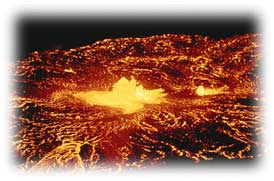
The purpose of the final punishment, the lake of fire, is to rid the universe of sin, not to preserve sin forever. It is extremely hard to imagine that the Christ who wept over the fate of stubborn Jerusalem and who forgave those who put Him to death, would be able to spend eternity watching over the agonies of the damned. The Bible assures us that hell definitely has an ending:
|
 The
apostle Peter spoke of the day of judgment and the “destruction of
ungodly men” (2 Peter 3:7). The apostle Paul said of those who’d
become enemies of Christ: “Their destiny is destruction” (Philippians
3:19). Scholars tell us that the Greek word translated “destruction,”
is the strongest word that could be used to mean utter loss of existence.
The
apostle Peter spoke of the day of judgment and the “destruction of
ungodly men” (2 Peter 3:7). The apostle Paul said of those who’d
become enemies of Christ: “Their destiny is destruction” (Philippians
3:19). Scholars tell us that the Greek word translated “destruction,”
is the strongest word that could be used to mean utter loss of existence.